
In-field chemical & biological research
The orchard is the laboratory.
AITSA designs and runs field trials against Macadamia Felted Coccid, the stink bug complex, and the pests moving through macadamia, avocado, mango, litchi, coffee and other tropical fruit — across Sub-Saharan Africa, and wherever these crops are grown on the continent.
Nelspruit · MpumalangaTropical & subtropical Africa
Macadamia Felted Coccid first recorded in the Barberton valley
Adult MFC. Easy to miss until branch dieback is already in the row
Stink bugs documented in South African macadamia orchards
%
Of heteropterans on immature nuts are Bathycoelia distincta
THE PROGRAMME
Greenhouse data will not save a kernel recovery.
A molecule can kill an insect in a cage. That does not tell you whether it holds in Lowveld heat, under a dense canopy, through a flush, inside a harvest interval, or against a residue limit a processor will actually accept.
AITSA runs chemical and biological evaluation where the pest lives: in commercial orchards of macadamia, avocado, mango, litchi, coffee and allied tropical fruit. Protocols are written for the insect that is in the tree this week — not the pest list from a decade ago.
Macadamia Felted Coccid rewrote that list in Mpumalanga. The two-spotted stink bug has been rewriting kernel quality for much longer. The next species will not wait for a registration.
Calendar spray programmes were written for a different orchard.
Priority Pests
The insects deciding yield, quality and trade.
We treat pests as field problems with names, phenology and economics — not as a generic “insect pressure” slide. Current work is anchored on the species already moving through African horticulture.
Hemiptera · Eriococcidae Field series 01
Acanthococcus ironsidei
Macadamia Felted Coccid
An Australian sap-sucker, host-specific to Macadamia, first confirmed near Barberton in April 2017 and moved through the Lowveld on infested plant material. Adults sit at a millimetre or less. Populations build while scouting still reads “clean.” Heavy infestation means shoot dieback, flower drop, and trees that do not recover on a spray date.
There is no specialist local predator. Chemistry, oils, insect growth regulators and classical biological control all have to be proven in the row — including compatibility with the rest of the IPM stack already running for stink bug and nut borer.
- Invasive
- Mpumalanga
- Dieback
- Quarantine Risk
Hemiptera · Pentatomidae Field series 02
Bathycoelia distincta
Stink bug complex
Twenty-one pentatomid and allied species have been taken from South African macadamia orchards. On immature nuts, more than ninety percent of that catch is B. distincta. Its long rostrum reaches kernel through the season, which is why “late spray” is often an autopsy, not a programme.
The winter complex — shorter-mouthed species including Nezara viridula, Chinavia pallidoconspersa and Pseudatelus raptorius — arrives as nuts harden. Coconut bug (Pseudotheraptus wayi) sits in the same economic conversation on macadamia, avocado and litchi. AITSA trials chemistry and biological options against the complex as it actually turns up, not against a single labelled species.
- Kernel Damage
- Season-Long
- Cross-Crop
Nut borer complex
Thaumatotibia batrachopa (macadamia nut borer) and Thaumatotibia leucotreta (false codling moth) — moths that turn a processor’s intake into reject, and a phytosanitary file into a trade problem.
Scales, thrips, fruit fly
Armoured scales on mango and avocado, thrips on flush and fruit, and tephritid fruit flies across mango, litchi and citrus-adjacent plantings. Often the species that get ignored until a consignment fails.
Coffee & mixed tropical
Coffee berry borer, antestia, white stem borer, and the pest suites that move with mango, litchi and avocado as those industries densify across the continent. If it threatens a tropical fruit canopy in Africa, it is in scope.
Crops
Tropical fruit, where Africa actually grows it.
Macadamia is the sharp end of the current pest emergency. The same field method applies wherever canopy, climate and trade meet: avocado, mango, litchi, coffee, and the rest of the subtropical basket.
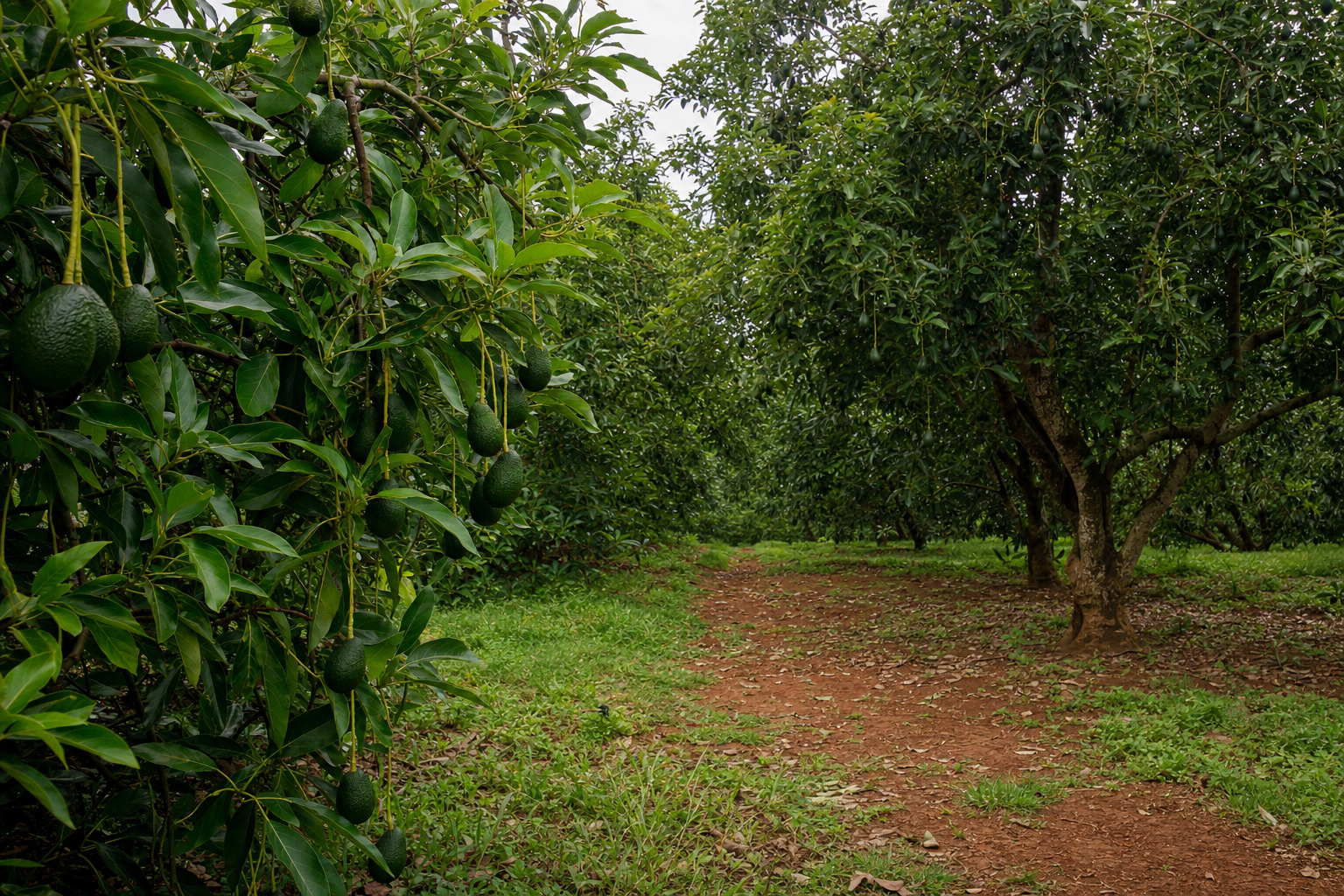
AVOCADO
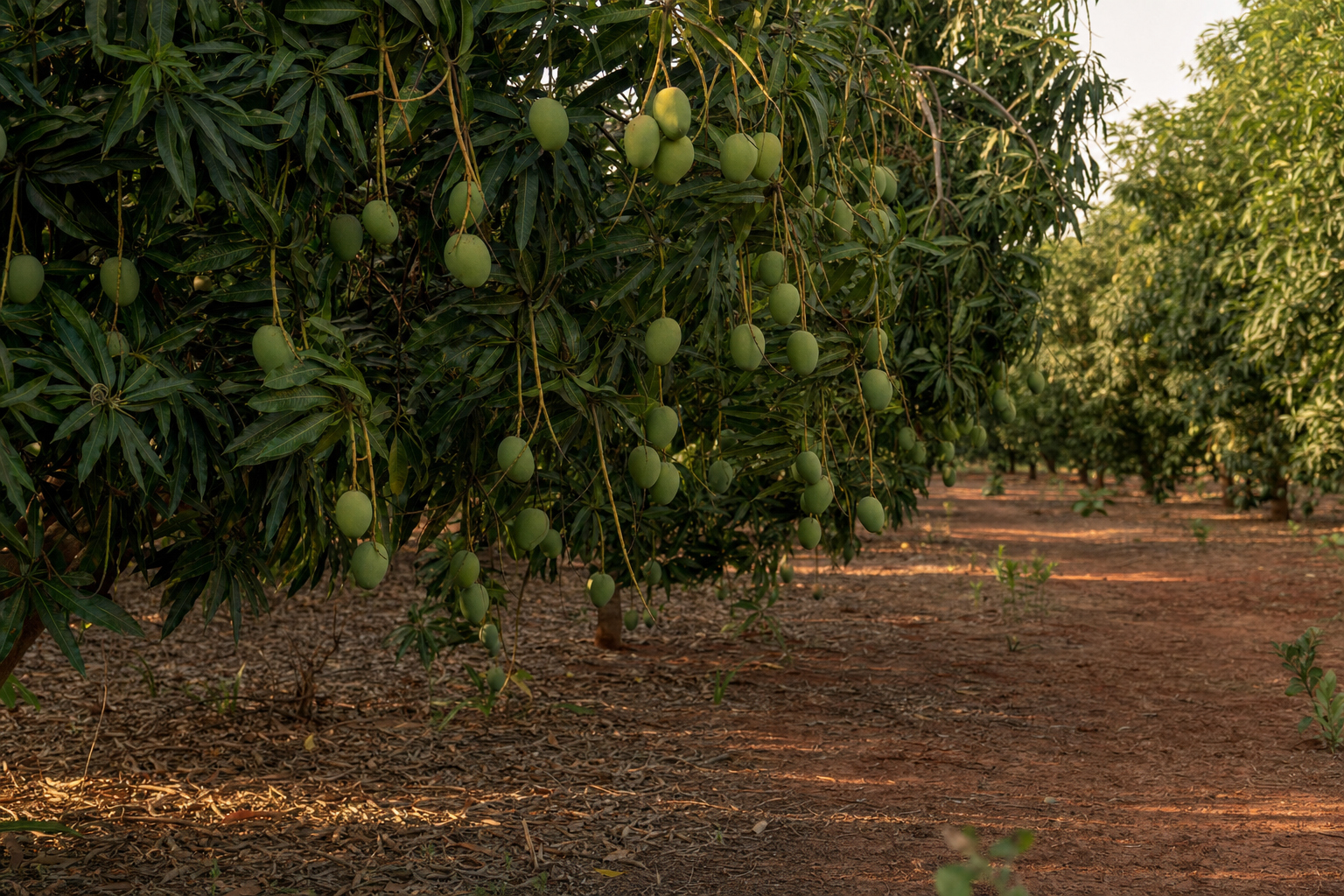
MANGO
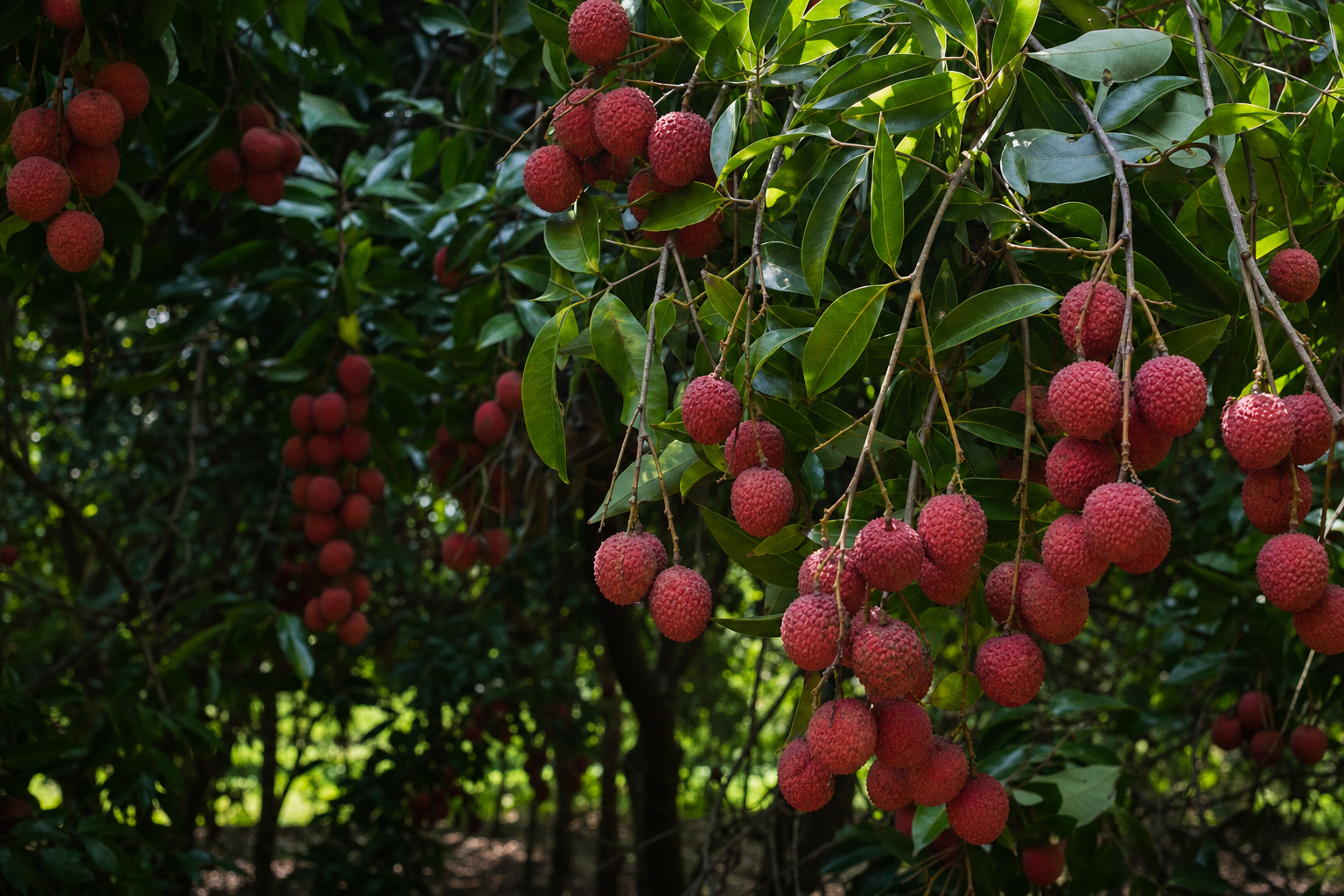
LITCHI
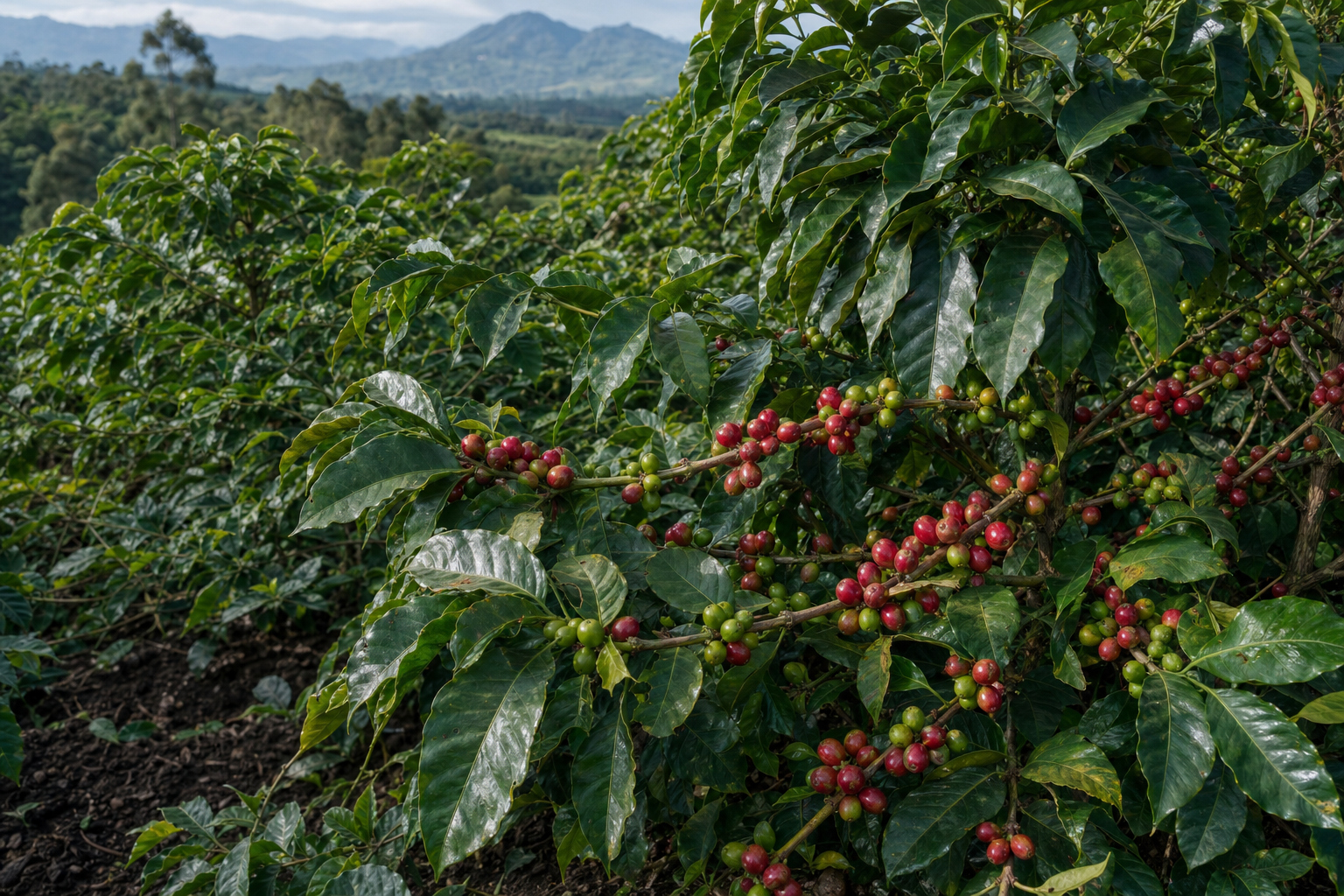
COFFEE
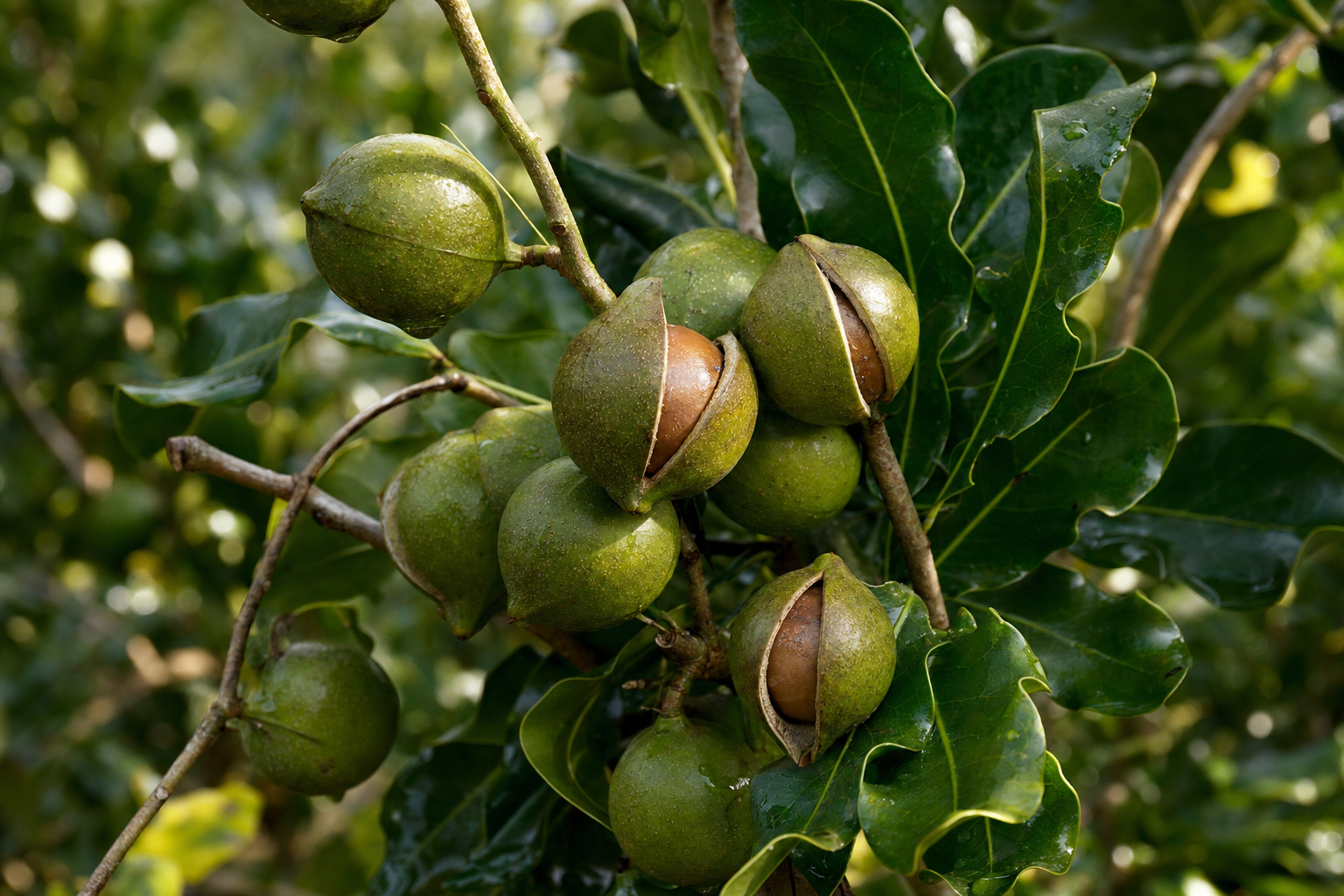
MACADAMIA
Other tropical and subtropical fruit are included when the pest, the chemistry, or the biological crosses over. The unit of work is the orchard system, not a single commodity brochure.
In-Orchard evaluation
Replicated plots · commercial canopy · grower standard as control
Method
Chemistry and biology, scored in the same row.
AITSA is not a spray contractor and not a desk model. We write the protocol, put treatments in commercial trees, and return evidence a grower, a registrant or a department can defend.

Protocol
Pest phenology against crop stage. Replicated blocks. A farm-standard control, not a water check dressed up as science. Endpoints that matter: live pest, damage, phytotoxicity, residue, and whether the next spray still has a place.

In-orchard evaluation
Conventional chemistry, insect growth regulators, oils, entomopathogens, parasitoids, predators and mating-disruption tools are run under the same canopy. Compatibility is a result, not a hope in the label booklet.

Evidence you can use
Trial reports written for registration files, estate managers and industry bodies. Scouting rules that follow the data. No heatmap theatre — block numbers, dates, and a recommendation that can be sprayed or withheld.

Where
From the Lowveld, across the belt.
We are based in Nelspruit, in the middle of South Africa’s subtropical fruit country. The work is framed for Sub-Saharan Africa — and for every African production zone where these crops, and these pests, already occur.
Mpumalanga Lowveld
Macadamia, avocado, litchi, mango
Limpopo & KwaZulu-Natal
Macadamia belt and mixed tropical
Malawi · Mozambique · Zimbabwe
Macadamia and orchard expansion
East African highlands
Coffee, avocado, mixed horticulture
Wider SSA tropics
Mango and tropical fruit systems
Who whe work with
Independent data. Not another product story.
AITSA is not a spray contractor and not a desk model. We write the protocol, put treatments in commercial trees, and return evidence a grower, a registrant or a department can defend.
Estates, growers and packhouses
When kernel recovery, orchard dieback or a failed consignment is already on the books, you need a protocol in the row — not a slide about “innovation.” We design trials that sit inside a working farm, with the farm standard as the honest control.
Chemical and biological companies
In-orchard efficacy, phytotoxicity, residue and IPM compatibility for products heading toward registration or label extension on tropical fruit. Independent. Written so a regulator can read it.
Industry bodies and government
Actionable field evidence for national pest response — the kind of dossier required when an invasive such as MFC stops being a farm problem and becomes a sector problem.
Contact
If the pest is already in the canopy, write now.
Tell us the crop, the insect, and whether you need a trial, a protocol, or a second pair of eyes on a programme that is no longer holding.
AITSA
Agricultural Innovation for Tropical & Sub-Tropical Africa
info@aitsa-sa.co.za
15 Sonbesie Street
Nelspruit, 1200
Mpumalanga, South Africa